
In recent years, there has been much discussion about FODMAPs and a low-FODMAP diet, but what is it exactly?
In this article, we will run through what FODMAP stands for and how the diet can benefit those with certain digestive concerns, particularly irritable bowel syndrome (IBS).
What is FODMAP?
FODMAP stands for (f)ermentable (o)ligosaccharides, (d)isaccharides, (m)onosaccharides, and (p)olyols. These are all carbohydrates (sugars) that can be found in many types of food, including the following:
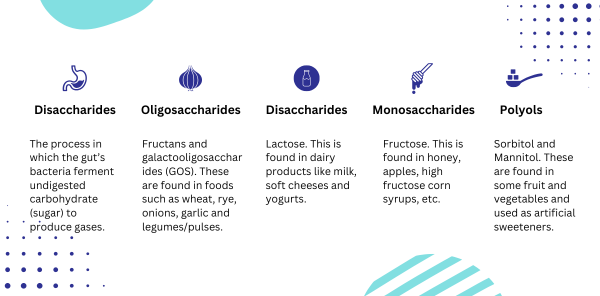
All these sugars are typically poorly absorbed by the small intestine. Some people are sensitive to high FODMAP foods, which can cause symptoms such as:
If you experience IBS, even small amounts of FODMAP foods can trigger symptoms. However, other starches and sugars can be well tolerated (except for those with a gluten allergy). As such, the low FODMAP diet is not the same as a low carbohydrate diet.
The benefits of FODMAP
Altering your diet and cutting down or limiting high FODMAP foods can significantly improve your condition if you are affected by IBS or small intestinal bacterial overgrowth (SIBO).
Research has found that following this diet can help improve IBS symptoms and quality of life for many people.
It has also been found that the diet may positively affect your mental well-being, as improving symptoms such as stomach pain can reduce the amount of stress you feel. Digestive issues and stress are strongly linked with the development of mental illnesses such as anxiety and depression.
Foods in a FODMAP diet
FODMAP is in a wide array of foods at varying levels. Some have more or less than others. To avoid a high level of FODMAP in your diet, we suggest avoiding foods such as:
- Certain cereal grains, for example, wheat (including bulghur wheat, couscous, semolina), rye, and barley
- Fruit (fresh, dried, or juice) such as apples, apricots, blackberries, cherries, dates, figs, mangos, nectarines, peaches, pears, plums/prunes, sultanas and watermelon
- Vegetables such as artichoke (Jerusalem), cauliflower, chicory root, garlic, leek, mushroom, onion (red, white, Spanish, shallots), spring onion (white part), and beans and pulses
- Dairy products such as milk, cheese, yoghurt, ice cream and chocolate
On the flip side, we suggest eating more of these low-FODMAP foods in your diet, including:
- Vegetables such as lettuces, carrot, chives, fennel, eggplant, broccoli (heads or whole), zucchini, green beans, and baby spinach
- Fruits such as strawberries, pineapple, grapes, oranges, cucumbers, and kiwi fruit
- Meat and protein-based foods such as chicken, beef, turkey, pre-cooked and pre-sliced meat, lamb, tofu, and eggs
- Starches, cereals, and grains such as potatoes, amaranth, quinoa, brown rice, tortilla chips, and popcorn
The purpose of a low FODMAP diet is not to eliminate these foods from your diet forever.
The first step of the diet is eliminating all these foods for a short period (usually 2-6 weeks). However, the second step is slowly reintroducing these foods individually to discover which ones are troublesome. The final step of this diet is to avoid or limit the foods you have found trigger your symptoms.
It is important to discuss your choice to follow a low FODMAP diet with a doctor or dietitian. This is because the diet plan is not recommended for long-term use.
Working with a dietician
Following a low FODMAP diet can be a great supplementary treatment alongside other therapies, such as stress management and medications.
However, due to the complexity of this diet and the high chance of becoming vitamin and mineral deficient, we advise you to work with a dietician before committing to a FODMAP diet.
At Digestive Health UK, we collaborate with some of the industry’s top dieticians to help you implement a tailored diet that meets your needs.
We offer private consultations, diagnostic tests, and treatment to determine what may be causing your symptoms and help you manage your diet in the future. Contact us today to learn more.

