
96-hour pH capsule (BRAVO or ALPHA)
The Bravo and Alpha capsule pH tests measure and record any stomach acid that travels up your oesophagus (food pipe) over 96 hours. They are far more comfortable and safer alternatives to the 24-hour pH impedance test.
The impedance test involves passing a catheter (thin, flexible tube) down the food pipe to wear for 24 hours. With Bravo or Alpha, we attach a small capsule to the inner wall of your food pipe. It naturally unsticks and passes through your digestive system five to twelve days after the procedure. Whilst it is in place, you will carry a receiver to record the data.

Who needs this test?
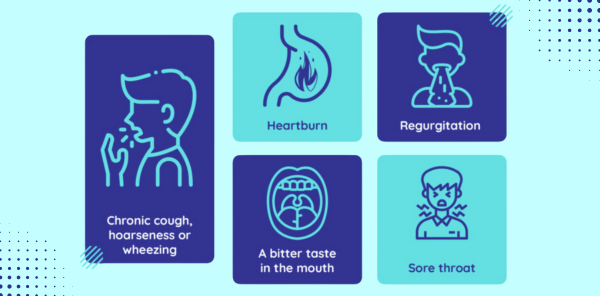
You may need a pH capsule test if you have gastro-oesophageal reflux disease (GORD) symptoms despite using medication. GORD is a condition that causes frequent acid reflux. Additional symptoms include persistent sore throat, hoarseness, cough, chest pain, heartburn, and indigestion. This test allows us to assess the severity of your reflux.
We may recommend this test before a transoral incisionless fundoplication (TIF), a procedure to treat GORD. The Bravo/ Alpha test can help us determine if you are suitable for the TIF procedure. We discuss this further here: What are my treatment options for GORD?
Who is not suitable?
People with bleeding disorders, severe oesophagitis, strictures, or obstructions are not suitable for the capsule test. You also should not have this test if you have a pacemaker or an implantable cardiac defibrillator (ICD). Let our specialist know if you have had an allergic reaction to nickel previously.
Preparation
You’ll likely need to stop taking some medications before the procedure so we can see how your body functions in its usual state. These can include proton pump inhibitors (PPIs), such as omeprazole, esomeprazole, pantoprazole, and lansoprazole, one week before and H2 blockers, such as famotidine, and antacids like Gaviscon or Rennies, from two days before.
Alternatively, we may ask you to keep taking your usual medications if we need to check how well they are working. Please follow all instructions provided by our specialist to ensure a safe and successful procedure.
You won’t be able to eat or drink fluids other than water for at least 6 hours before the procedure. You may be able to have small sips of water up to two hours before. Our specialist will inform you of the specifics.

On the day, wear comfortable clothes and arrange for someone to take you home if you are having sedation.
The Bravo and Alpha capsule test
Bravo or Alpha are minimally invasive tests that involve placing a capsule at the lower end of your food pipe with an endoscope. You may worry about its size, but the capsule is very small.
An endoscope is a thin, flexible tube with a tiny camera and light at the end. It allows us to see inside your gullet and stomach and is the same tool we use during an endoscopy. It takes about 60 seconds to place the capsule using the endoscope.

We remove the endoscope, and the capsule sensor remains in place for up to 96 hours (four days). During that time, it measures whether any fluid travelling up the food pipe is acidic (low pH reading) or alkaline (high pH).
The pH level of your food pipe should be close to 7.0, but people with severe GORD may register a pH reading of 4.0 (high acidity) or less.
The capsule communicates wirelessly to a small receiver that you wear during the test period. You should eat and drink as usual and record using the receiver when you are eating, lying down or having symptoms of GORD. You can also use a diary to note more detailed observations.
How to use the device at home
Press a button on the receiver each time you eat, drink something other than water, or lie down. It helps if you write clear notes of the activity in your diary. For example, “I had a cup of tea at 12:00” or “I started eating dinner at 18:00”.
You should also note when you experience symptoms, the time you lay down in bed, and the time you get out of bed each morning. We can later evaluate which activities and products were more likely to trigger reflux by comparing them to the results from the device.
While you have the Bravo or Alpha capsule in place, you can shower or bathe but cannot take the receiver in with you. Put it in a dry, safe place up to three feet away. Our specialist will discuss other ways to care for the receiver before you head home.
After
Once the investigation is over, you will return the receiver to our clinic so we can download and interpret the results. After 96 hours, you can take your usual medications as you did previously.
The capsule usually detaches itself naturally from your food pipe after 5-12 days and comes out in your poo. It is biodegradable, and it is rare to see it. You do not need another procedure to remove the capsule and should not try to return it to our clinic.
Do not have an MRI up to 30 days after the procedure, as the capsule uses a magnet. In rare cases, it may stay in your food pipe for up to 30 days after the procedure. If you see a doctor who does recommend an MRI for any reason, inform them that you had this test less than 30 days ago.
Results and follow-up
You should arrange a follow-up appointment with our clinic to discuss your results and plan the next steps. Our specialist will review their findings carefully to provide tailored treatment recommendations.
Depending on the results, we may suggest further tests before forming a suitable plan to gain a better understanding of what’s causing your symptoms. These can include a barium swallow or high-resolution oesophageal manometry, which can help us evaluate any issues with your oesophagus.

Side effects and risks
After the procedure, you might experience a sore throat for a few days or feel some minor chest pain and discomfort. You may feel the capsule when you swallow, but you can manage this by chewing your food carefully and drinking water or other fluids.
Another issue we may encounter is not collecting enough information to make a recommendation. If this happens, we may need to perform another test or use an alternative method. We might face difficulties in gathering data if the:
- Capsule doesn’t function properly
- Capsule fails to attach or becomes dislodged early
- Data reception of the capsule is poor
Complications from the endoscopy to place the capsule are extremely rare, but it’s important to be aware of them. During the endoscopy procedure, there is a small risk of tears or perforation in the lining of your food pipe, which could lead to bleeding. With the capsule itself, there is no risk of perforation or bleeding.
Benefits
We use this test to assess how severe your reflux is and recommend a tailored treatment plan. By doing so, we can prevent damage to your oesophagus, which may lead to issues like strictures, Barrett’s oesophagus, and – in rare cases – oesophageal cancer.
While both tests have pros and cons, Bravo and Alpha can record data longer than the 24-hour impedance test. An extended recording means the capsule can capture extra data to provide a more consistent view of how your body reacts to different actions and products.
Additionally, this test helps us determine if you were misdiagnosed in the past. Our diagnostic tests, such as Bravo or Alpha, allow us to confirm your diagnosis or identify the true underlying cause of your symptoms. If reflux is not the cause, our tests will help us uncover what might be causing them.

Book an appointment
There are many benefits of having this test. Not only can it aid our diagnosis and help us evaluate your condition, but we can also prevent further problems.
If you frequently experience acid reflux, you may need a Bravo or Alpha capsule pH test. Book a private appointment to arrange one with our specialists.