
Biopsy
If you’ve ever wondered what happens during a biopsy, how we perform it, or why it’s necessary, you’ve come to the right place. We’ll guide you through the entire process, from the preparation you may need to do to the potential risks and benefits involved. By understanding how a biopsy works and why we might perform one, you can approach your digestive health with confidence.

What is a biopsy?
A biopsy is a minor procedure to collect a small tissue or cell sample from your digestive tract. We then examine the tissue under a microscope, which can provide valuable insights into the health of your gastrointestinal system.
There are many reasons to have a biopsy, including identifying abnormal or cancerous tissue and cells. We can also diagnose gastrointestinal conditions, such as inflammatory bowel disease (IBD), ulcers, and infections, and investigate functional or structural abnormalities.
Types
The type of biopsy we recommend will depend on what symptoms we are investigating and which part of the body we need to take the biopsy from. Your medical history will also influence our decision. Common types to explore digestive problems include:
- Fine needle, which can be ultrasound-guided
- Skin, such as shave, punch, or excisional biopsies
- Endoscopic
- Bone marrow
- Surgical, either open or laparoscopic
After we have the sample, we send it to a pathologist in a lab who can evaluate it. The pathologist will create a report explaining their findings for us to discuss with you. If they find evidence of cancer, we may refer you to an oncologist — a specialist in treating cancer — for further investigation and treatment.
Preparation
How you prepare for a biopsy will depend on which type it is. Our specialist will let you know what to do before the day. Preparation can include temporarily stopping or changing medications like blood thinners to prevent bleeding during your procedure. You may also need to adapt your diet or fast before an endoscopic or surgical biopsy. These biopsy types can also involve sedation, meaning you must arrange a lift home.

If we perform a colonoscopy to collect the biopsy, you will take bowel preparation and fast. This helps empty your stomach, reducing the risk of complications. We cover this in more detail here: How do I prepare for a colonoscopy?
Following your preparation plan helps us perform a successful biopsy and get an accurate result. Contact our team for guidance and reassurance if you have any questions or concerns.
What happens during a biopsy?
Our specialist may take the sample from any part of your digestive tract. Common places include the oesophagus (food pipe), stomach, bowel, and rectum. We use special instruments to extract a tissue sample, for example, a thin or thick needle, a scalpel, or an endoscope (thin tube).

Depending on the type, we may use a local anaesthetic, sedation, or general anaesthetic beforehand. It can take 10 to 30 minutes, and you may need to sit up or lie down. If we sedate you, you will wait in our recovery area until the sedation wears off. If you did not have sedation, you can go home after a short conversation with our specialist.
Recovery
People often feel a little sore after a biopsy in the sampled area, which you may want to take painkillers for. Your skin may be red, bruised, or slightly swollen, but this should only last a few days. Again, this depends on the type of procedure.
While you recover, you may also need to alter your medication or diet. Complications are rare but can include infections, bleeding, and scarring. Contact our clinic if you develop a fever or have an oozing wound.
Results
Before you leave the clinic, we will arrange a follow-up appointment to discuss your results and plan our next steps. Alternatively, we can email your results to you. Results generally take between two to ten days at Digestive Health UK.
If your results are inconclusive, we don’t have a clear answer. An inconclusive result could occur if the tissue sample is too small or the lab has a problem processing your biopsy. If this happens, we may recommend another biopsy or a different test.
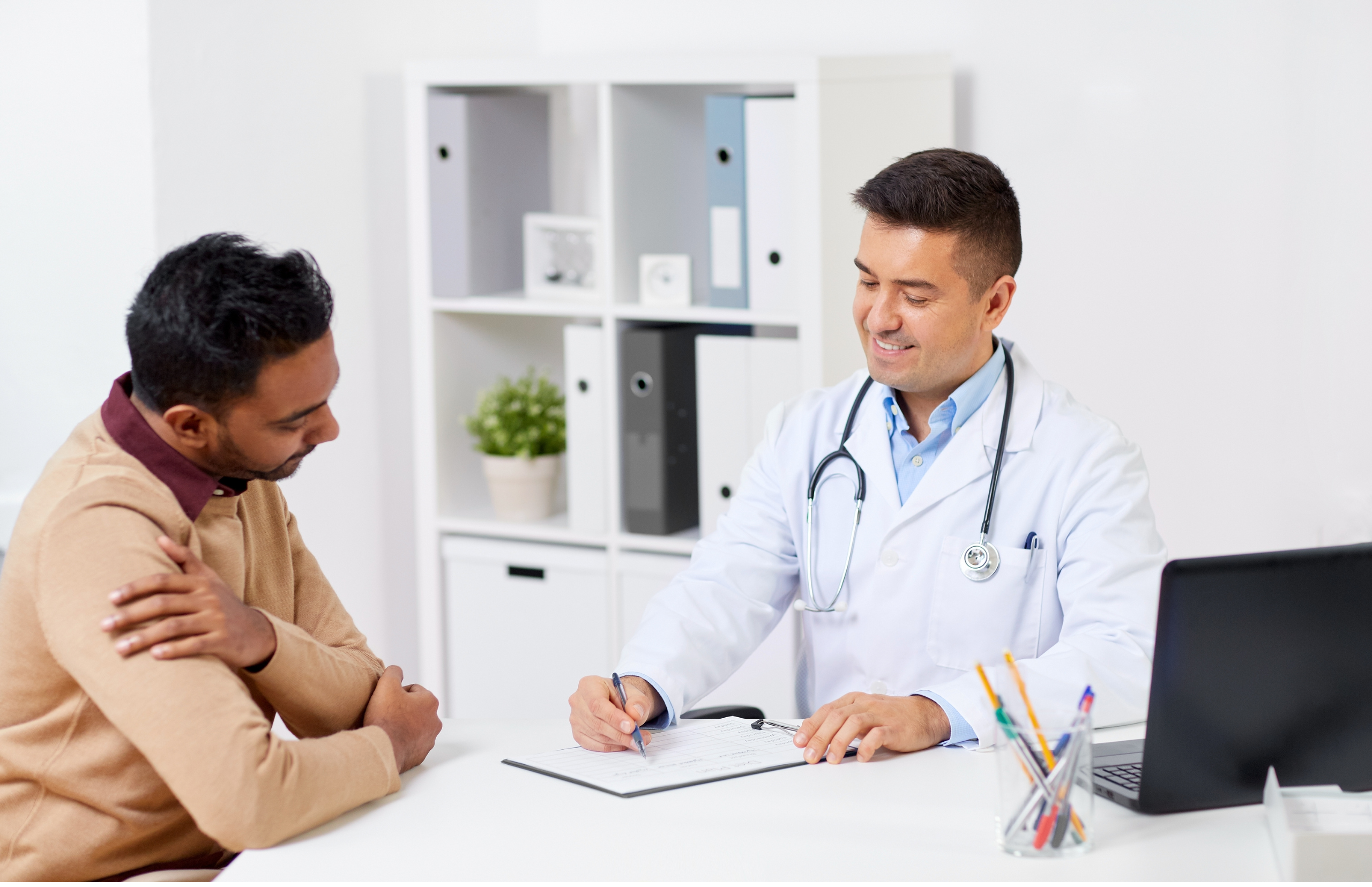
Our video below shares how long endoscopy biopsy results generally take:
[answerpacktv video=”how-long-for-endoscopy-biopsy-results-to-come-back” header-only=”yes” single-view-mode=”yes” view-playlist-label=”View more videos” header-link=”/videos/answerpack/endoscopy/endoscopy-faq” landing-page-header-text=” ” landing-page-header-title=”How long does it take for biopsy results to come back?”]
Private biopsy
We understand that the prospect of a biopsy can be daunting, but you can rest assured that our specialists will guide you every step of the way. With our expertise and state-of-the-art facilities, we perform various biopsy types tailored to your specific needs.
Our team will clearly explain your results and develop a comprehensive plan for further treatment if needed. With quick turnaround times for results, you can have peace of mind knowing your answers are within reach.
Don’t leave your digestive health to chance. If you think you need a private biopsy, contact our team for advice and an expert consultation. At Digestive Health UK, we’re dedicated to providing the highest standard of care.

Book face to face and remote consultations
Our clinic facilities are rated “outstanding” by the national regulators the Care Quality Commission (CQC).