
Constipation
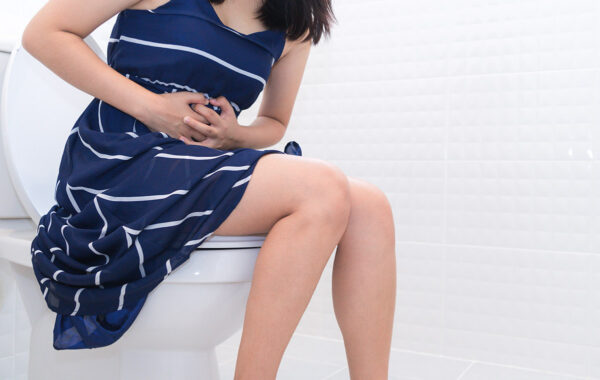
If you are experiencing constipation, you will struggle to poo more than three times a week.
Your stools (poo) may be larger or smaller, like pellets, and harder than normal, which can make them difficult to pass.
Most people experience constipation at some point in their lives, and it often seems to have no cause.
If you experience constipation for several weeks, however, you should speak to one of our specialists. As this is a sign of chronic constipation.
This page will help you understand:
- Symptoms of constipation
- The causes
- How to diagnose constipation
- Treatment options

Related Symptoms
Symptoms
Common symptoms include:
- Dry, lumpy, hard poo
- Struggling/ straining to poo
- It’s painful to poo
- Frequent full feeling
You may also feel like you haven’t fully emptied your bowels or as if something is blocking your bowels.
Other symptoms include:
- Abdominal pain or cramping
- Feeling sick (nausea)
- Blood in your poo
- Loss of appetite
- Back pain
- Bloating
If you experience bleeding, severe pain, or other worrying symptoms, book an appointment with your doctor immediately.
As these can be signs of complications due to or causing your constipation.
Causes
There are many causes of constipation. Some are relatively common, whereas others require a visit to your doctor.
If you aren’t sure what may be causing your constipation, ask one of our specialists for advice.
Common causes of constipation include:
- Dehydration, by not drinking enough water or overusing laxatives
- Not eating enough fibre
- Eating or drinking too many dairy products
- Another change in your diet
- Heightened stress levels
- Being inactive, or less active than usual
- Ignoring the urge when you need to go to the bathroom
To avoid constipation, you should ensure you are drinking at least 3 litres of water a day. More if you are sweating a lot, for example, due to a physical job or when temperatures are higher.
Other causes include:
- Anal fissure, also a complication of chronic constipation
- A blockage in your colon or rectum
- Problems with your pelvic muscles or nerves
- Irritable bowel syndrome (IBS)
- Inflammatory bowel disease (IBD)
- Diverticulitis
Risk Factors
Certain factors can make you more likely to experience constipation, though that doesn’t mean you will.
Risk factors include:
- Over the age of 60
- People who are pregnant
- Recently gave birth (6 weeks or less)
- Diabetes, upsetting your hormone balance
- Certain cancers, such as colon and bowel cancer
- People with certain mental health conditions, such as depression and eating disorders
When is constipation an emergency?
Some symptoms are a cause for concern and should lead you to seek immediate medical advice.
Seek immediate medical advice for the following symptoms:
- More than a little blood in your poo
- Bleeding from your back passage
- Very dark or black poo
- Severe abdominal pain
- Constipation between bouts of diarrhoea
If you experience these symptoms, it may mean you are bleeding in your digestive tract or are experiencing an intestinal blockage. These can become life-threatening emergencies.
Diagnosis
To diagnose your constipation, we will initially ask you some questions.
We will need to know how long your symptoms have been occurring, which symptoms you are experiencing, and any changes you’ve made to your diet.
If you notice your constipation is worse after eating certain foods, keep a list of these foods and let us know as well.
We need to be aware of any other underlying health conditions you have, as they may be contributing to, or causing, your symptoms.
We may need to perform tests to investigate the cause of your constipation further.
If we believe an issue with your colon is causing your symptoms, we may give you a colonoscopy.
We may also do some blood tests to check your hormone levels.
Treatments
Initially, you may want to try home remedies before speaking to one of our specialists.
Home remedies include:
- Drinking plenty of water (at least 3 litres a day)
- Eating more high fibre foods
- Exercise regularly – daily walks can make a difference if you struggle with activity
- Managing your stress levels
If these home remedies are not working for you, seek the advice of one of our specialists.
We may prescribe medications that can relieve your symptoms. You may also need to adjust any medication you are currently taking if these are causing your symptoms.
After any necessary tests, we may find that a certain condition, such as IBS, is causing your symptoms. We can then talk you through the lifestyle changes you can make to alleviate your symptoms and provide further advice on your condition.
[answerpacktv video=”what-can-a-colonoscopy-detect” header-only=”yes” single-view-mode=”yes” view-playlist-label=”View more videos” header-link=”/videos/answerpack/colonoscopy” landing-page-header-text=”View our video library of common questions you may have on gastrointestinal symptoms and conditions” landing-page-header-title=”What can a colonoscopy detect?”]

Book an appointment
Constipation is not usually a cause for concern, though you may need to seek the advice of a specialist if you experience persistent constipation.
Our team of highly specialised doctors offer trusted medical advice and expert private care for a wide range of digestive disorders.
If chronic constipation is affecting your quality of life, contact us today.