
Anaemia
If you are feeling weak, fatigued or breathless, you might have anaemia. Many gastrointestinal conditions can cause anaemia so it’s important to speak to a healthcare professional if you have concerns.
We can help diagnose you and suggest the best treatment options for your condition.

Overview | Symptoms | Causes | Risk factors | Prevention | Treatments
Symptoms
If you have anaemia, your symptoms will depend on the cause and how severe the condition is. Mild anaemia may initially cause no symptoms, but usually your symptoms will get worse over time.

The potential symptoms of anaemia include:
- Fatigue
- Shortness of breath
- Weakness
- Yellow or pale skin
- Chest pain
- Arrhythmias (irregular heartbeats)
- Feeling light-headed or dizzy
- Headache
- Cold hands or feet
In some cases, the condition which is causing anaemia might make it hard to understand what your symptoms are.
Causes
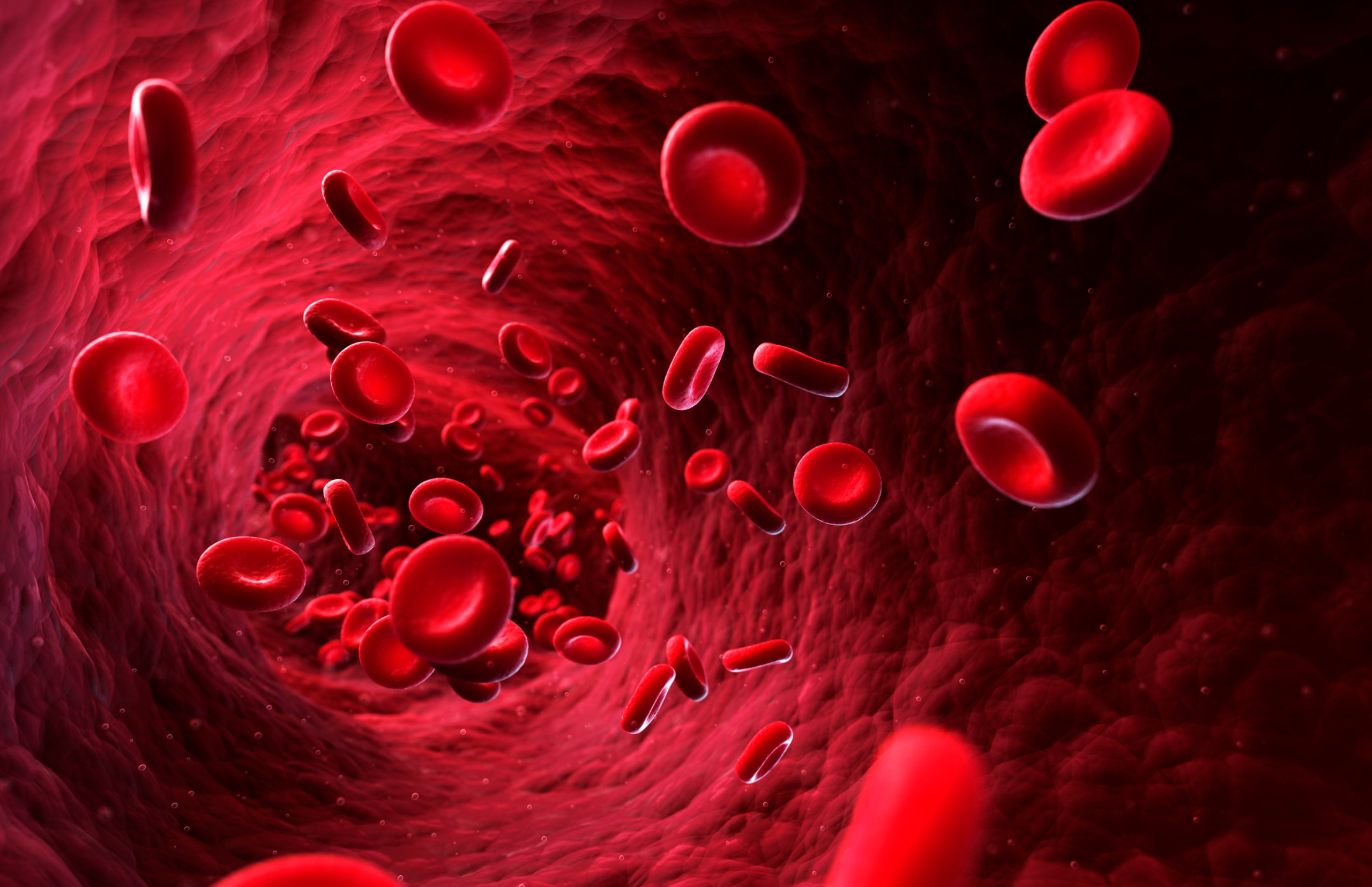
Anaemia is caused when your blood doesn’t have enough red blood cells or haemoglobin. This could happen because your body isn’t producing enough red blood cells or haemoglobin, you are losing red blood cells and haemoglobin faster than they can be produced, or you have a condition that is causing your body to destroy red blood cells and the haemoglobin they contain.
It’s important to understand what’s causing your anaemia so we can recommend the most appropriate treatment plan for you.
Iron deficiency anaemia
This is the most common type of anaemia and is most commonly caused by pregnancy or having heavy periods. If you have too little iron in your body, you may not be able to produce enough haemoglobin. Another very common cause of this type of anaemia is non-visible loss of blood from the stomach or bowel due to polyps or cancer, hence often patients need urgent investigation with both gastroscopy and colonoscopy tests.
Anaemia of inflammation
Conditions that cause inflammation can prevent your body from making enough red blood cells. These include cancer, rheumatoid arthritis, HIV, Crohn’s disease or kidney disease.
Vitamin deficiency anaemia
Your body also needs vitamin B-12 and folate to produce sufficient healthy red blood cells. You may develop anaemia if you aren’t getting enough essential nutrients such as these in your diet.
Other types of anaemia
Other forms of anaemia include aplastic anaemia, anaemias caused by bone marrow disease; haemolytic anaemias, and sickle cell anaemia, which is an inherited condition.
Risk factors
There are a number of factors which can increase your risk of developing anaemia. We will discuss your risk factors in your first appointment.
If your intake of vitamins and minerals, such as vitamin B-12, iron and folate, isn’t enough, you have a higher risk of having anaemia. If you can’t get enough through your diet, we might suggest supplements.
If you already have a condition that affects your small intestine, such as coeliac disease or Crohn’s disease, it can increase the risk of having anaemia. This is because your body can’t absorb as many nutrients from your food.
Women who experience very heavy periods or are pregnant can be at a higher risk of anaemia. Heavy periods cause greater red blood cell loss, so your body has to produce more to replace them. During pregnancy, you need more iron to produce more red blood cells.
People with other close relative with anaemia will also have a higher risk, especially for inherited conditions like sickle cell anaemia.
Prevention
In many cases, you can’t prevent anaemia. However, sticking to a healthy diet can help to prevent some types of anaemia, such as iron and vitamin deficiency anaemia.
A diet that is rich in food containing iron, vitamin B-12 and folate may help to prevent anaemia. This includes foods such as meat, probiotics, leafy vegetables, fruits, beans, pasta and rice.

Treatments
If anaemia is left untreated it can be life-threatening. The most suitable treatment for anaemia depends on the type.
Some iron deficiencies and vitamin deficiency anaemia can be treated by supplements and diet changes.
If a chronic disease causes your anaemia, the treatment will focus on the disease itself. If you have severe symptoms, we might suggest treatments including:
- A blood transfusion, to treat aplastic anaemia, anaemias caused by bone marrow disease or other chronic diseases
- A bone marrow transplant, for anaemias caused by bone marrow disease and aplastic anaemia
- Medicines to lower the activity of your immune system, in the case of haemolytic anaemias
- Hormone shots, to treat anaemias associated with chronic diseases
- Oxygen
- Medication to manage any pain associated with your anaemia
[answerpacktv video=”how-do-you-manage-early-morning-nausea” header-only=”yes” single-view-mode=”yes” view-playlist-label=”View more videos” header-link=”/videos/answerpack/symptoms” landing-page-header-text=”View our video library of common questions you may have on gastrointestinal symptoms and conditions” landing-page-header-title=”Information Videos”]

Book an appointment
If you experience any anaemia symptoms and would like help understanding the underlying cause, our expert gastroenterologists and dieticians can help.
Call us today on +44 (0) 207 4594918 to book a private consultation.