
Oesophageal cancer and pre-cancerous lesions
Oesophageal cancer is a cancer of the oesophagus, otherwise known as the food pipe or gullet. Many digestive health conditions cause the symptoms of this condition, some more serious than others. While they usually don’t mean you have cancer, it’s best to get any concerning symptoms checked out.
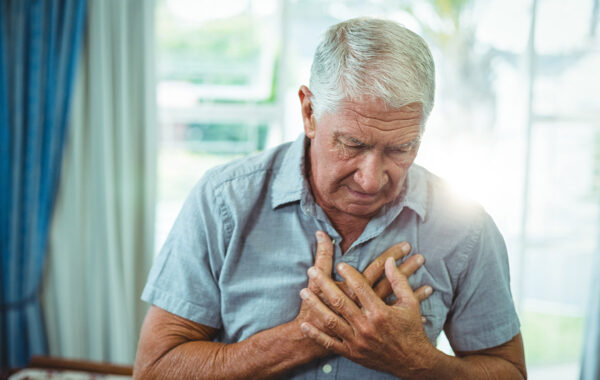

The oesophagus is a muscular, hollow tube that runs from your throat to your stomach, allowing you to swallow food and liquids. People with oesophageal cancer have abnormal cells in their oesophagus that grow uncontrollably. This cancer can form anywhere along your oesophagus.
Symptoms
You may not notice any symptoms in the early stages. This cancer is usually slow-growing, causing symptoms as the condition advances. As the cells in your oesophagus multiply, they create a tumour which could block your throat.
The main symptoms are:
- Pain in your throat or behind your breastbone
- Bringing food back up (regurgitation)
- Persistent indigestion or heartburn
- Difficulty swallowing (dysphagia)
- Pain when swallowing
- Feeling or being sick

You may feel as if you have food stuck in your throat that won’t move, which could mean you clear your throat a lot. This cancer can cause you to bleed in your oesophagus. Oesophageal bleeding can cause you to cough up or vomit blood, though this is uncommon. You might notice that your stools (poo) are darker than usual or bloody.
Other symptoms include:
- Pain or discomfort in your chest, back or upper abdomen
- Loss of appetite or weight
- A continued cough
- Voice hoarseness
- Tiredness/ fatigue
Other conditions, such as gastro-oesophageal reflux disease (GORD), can cause most of these symptoms. However, GORD can also increase your risk of oesophageal cancer. Ensure you see your doctor if you frequently experience these symptoms or feel your current treatment is not working.
Diagnosis
Abnormal cell growth in the oesophagus may lead to pre-cancerous lesions – called dysplasia. We can extract and test a sample of this tissue (biopsy) during an upper endoscopy. This test takes around 15 minutes and is painless as we numb your throat. We can also sedate you. Watch this video to learn more: Endoscopy: All you need to know.

If a pathologist classifies the tissue as showing signs of high-grade dysplasia, the cancer risk is greater. It can begin in either of the main types of cells found in the oesophageal lining.
Cancer may affect cells in the surrounding tissues and organs or spread to other body parts as it progresses. We will perform additional tests to determine the stage, grade, and type if we find cancerous cells.
Other tests include a CT scan, PET-CT, endoscopic ultrasound, barium swallow and laparoscopy. We may also perform blood tests.
Types
This refers to which type of cell the cancer started in. The two main types are adenocarcinoma, associated with Barrett’s oesophagus, and squamous cell cancer. Adenocarcinoma is more common in the UK. Rarer types include small-cell carcinoma, sarcoma, melanoma, lymphoma and choriocarcinoma. We can’t always tell which type of cancer you have. We call this undifferentiated.
Risk factors
Most people diagnosed with oesophageal cancer are over 60, and it’s more common in men than women. Other risks include being overweight, smoking or drinking alcohol (particularly more than 14 units per week). Suffering from pre-existing conditions such as GORD or Barrett’s oesophagus also increases your risk.
Your risk slightly increases after radiotherapy for certain cancers. These include breast, lung, oropharyngeal, or laryngeal cancer. Additionally, swallowing freshly boiled or equally hot drinks is reported to raise the risk of developing it.
Causes
The exact cause of this cancer is unknown. However, it might be due to DNA damage in the cells lining the inside of your oesophagus.
DNA damage can occur due to lifestyle choices, such as smoking, or long-term irritation caused by reflux and other conditions.
As a result, mutations or changes in your DNA can lead to cancer. In oesophageal cancer cells, many genes may show changes.
Treatment
We may be able to cure early stages of oesophageal cancer or pre-cancer by removing the abnormal tissue with an endoscopic procedure. Examples include endoscopic resection and HALO radiofrequency ablation. These procedures can prevent the need for surgery to remove the affected part of the oesophagus (an oesophagectomy). Other treatments may include chemotherapy, radiotherapy, targeted therapy, and immunotherapy.
Treating cancer involves using a team of highly qualified specialists. Each of these specialists works with you to form a treatment plan tailored to you. The stage, grade, and type of cancer will influence our treatment recommendations.


Book an appointment
Symptoms of oesophageal cancer are common to many conditions, and there are more likely causes. However, you should always get new or worsening symptoms checked by a medical professional.
At Digestive Health UK, our specialists offer private diagnostic tests. Book an appointment today to arrange a consultation regarding your symptoms.
We understand how difficult this time may be for you. You can ask our specialists any questions about the whole process, including the diagnostic tests and your treatment options. Before beginning any treatment, we will discuss the possible side effects with you and check you are comfortable to proceed.