
Barrett’s Oesophagus
Barrett’s oesophagus is a condition in which cells grow abnormally in the gullet (oesophagus). This is the pipe that takes your food from your mouth to your stomach. The oesophageal lining becomes damaged due to acid reflux, when acid and bile from the stomach rise in the gullet. The cells become more like the cells lining the stomach than those normally found in the gullet.
In some cases, the changed cells can change again into cancerous cells. However, not everyone who has acid reflux will develop Barrett’s oesophagus.
Overview | Symptoms | Diagnosis | Risk factors | Grading | Cancer risk | Treatment | Video FAQs

Whether you have been diagnosed with Barrett’s oesophagus or think you might be at risk, there are lots of things we can do to manage your symptoms and treat you.
Symptoms of Barrett’s oesophagus
If you have this condition, you may not experience any noticeable symptoms. However, because the condition usually develops after suffering from gastro-oesophageal reflux disease (GORD) for about five years or more, patients may often show signs of GORD. This condition happens when the muscular valve at the bottom of the gullet (the lower oesophageal sphincter) begins to weaken and fail. This leads to persistent acid reflux.
Signs of GORD include:
- Difficulty swallowing
- Frequent heartburn
- Hoarse voice
- Constant sore throat
- Bringing up food or acid after eating (regurgitation)
 You might also experience abdominal pain or non-cardiac chest pain, but this is less common.
Diagnosing Barrett’s oesophagus
Oesophageal damage can occur due to acid reflux even if you don’t experience symptoms. We call this silent reflux, or laryngopharyngeal reflux (LPR).

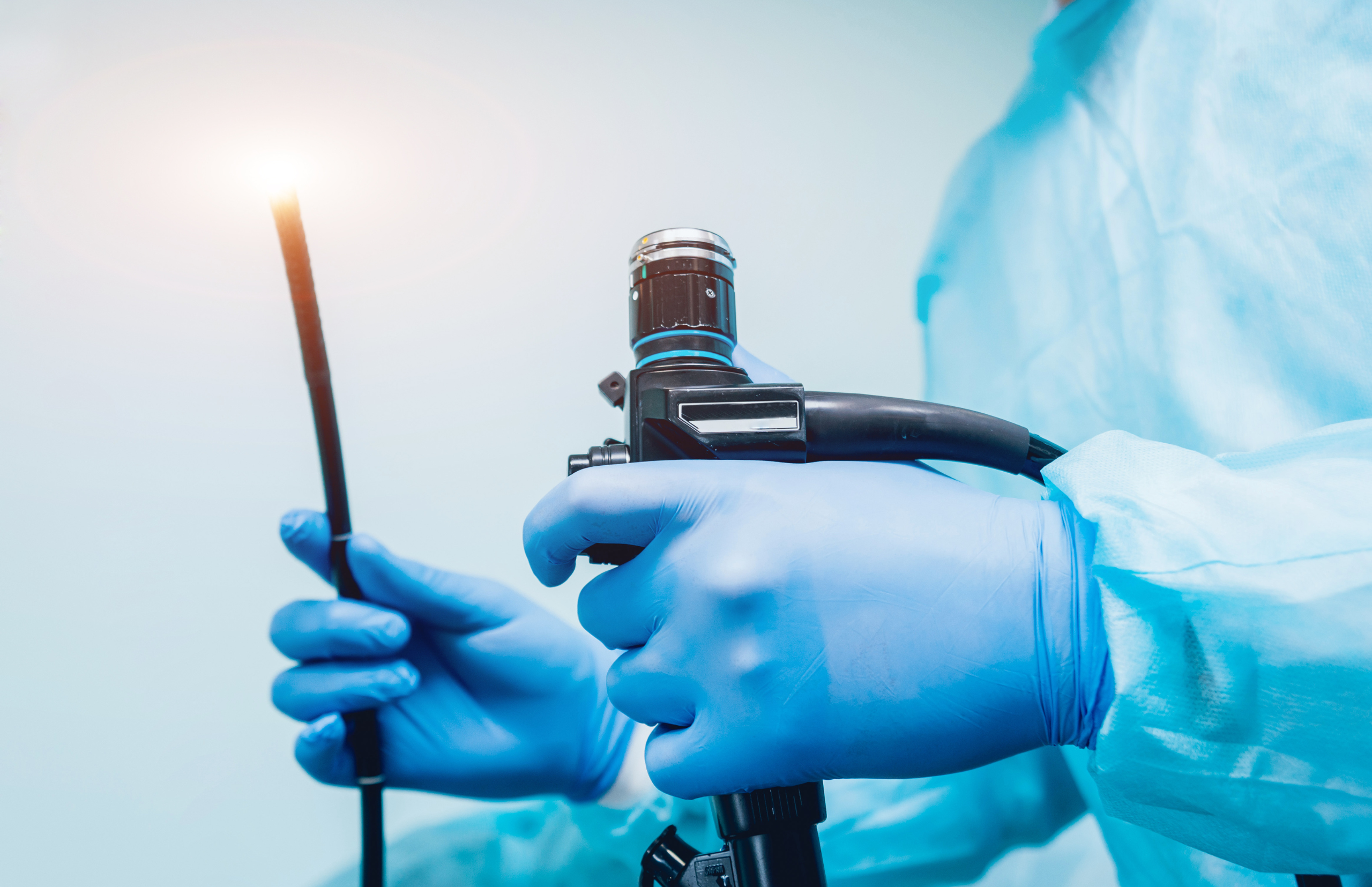
For this reason, we often only find this condition when you have an upper endoscopy (gastroscopy) to investigate another digestive problem. This is when we pass a tube-like instrument (endoscope) containing a camera down your oesophagus. We can also collect a small tissue sample (biopsy) to test for abnormal cells.
Endoscopy is the most accurate and thorough test to diagnose Barrett’s oesophagus. Other tests are available, such as the Cytosponge, but they are less accurate. A Cytosponge is a sponge within a capsule on a string that you swallow. After 5 minutes, the capsule that the sponge is in dissolves in your stomach, and we can pull the sponge back up through your gullet. The sponge collects cells on its way up which help us to look for abnormalities.
Risk factors for Barrett’s oesophagus
This condition is more common for:
- White men
- People aged over 50
- Those with a hiatus hernia
- Smokers
- Overweight or obese people
- People who drink large amounts of alcohol
- People with a family history of this condition
About one in ten patients with GORD will develop this condition. This risk increases the longer you have symptoms and if you have symptoms at a higher frequency.
Barrett’s oesophagus grading
After an endoscopy and biopsy, a pathologist can grade your condition based on what abnormal cell growth there is (dysplasia). Dysplasia is a more accurate term for ‘pre-cancerous’. These grades are:
- Non-dysplastic (no dysplasia)
- Indefinite (this is where the cells in your gullet have some changes but they are not enough to be considered dysplasia)
- Low-grade dysplasia
- High-grade dysplasia
Once we know the degree of dysplasia you have, we can recommend treatment options.
Barrett’s oesophagus treatment
The treatment options we offer will depend on the severity of your symptoms and whether or not you have dysplasia. Treatments range from lifestyle changes and medications to non-surgical and surgical procedures.
Surveillance
If you have no dysplasia, you are likely to be offered surveillance. We will continue to monitor your condition to see how it progresses. We do this by performing routine endoscopies or biopsies. These could be from every six months to every 5 years.
Lifestyle changes
We may recommend certain lifestyle changes to counter the symptoms of acid reflux. These include losing weight, reducing your alcohol consumption, and not eating up to 3 hours before bed.
Medications
We often use medications to control the symptoms of acid reflux, especially if we find no dysplasia.
Proton pump inhibitors (PPIs), such as omeprazole and lansoprazole, lower the amount of acid produced in the stomach. This should also reduce your acid reflux.
Non-surgical procedures
Non-surgical procedures use endoscopes to eliminate the dysplastic (abnormal) cells. These include Endoscopic resection (ER) and HALO radiofrequency ablation (RFA).

Surgery
We use surgical procedures to strengthen the oesophageal sphincter or remove a section of the oesophagus. If you develop oesophageal cancer, we may recommend an oesophagectomy to remove the oesophagus.
Barrett’s oesophagus cancer risk
We sometimes refer to this condition as pre-cancerous. This means that patients with the condition are slightly more likely to develop oesophageal cancer. However, the risk is still very small.
For example, if we take 100 patients with Barrett’s and follow them up for 10 years, just 5 may develop cancer. Patients with chronic digestive health problems should still get regular check-ups, so we can spot any early signs of oesophageal cancer that’s there. Many other factors can affect your likelihood of getting cancer. If you are worried, you can discuss these with your doctor.
Some studies have shown that high doses of PPI can also reduce the risk of developing cancer. However, our specialists can prescribe the most appropriate treatment for you.

Book an appointment
If you are, or think you might be, at risk of Barrett’s oesophagus, our expert team of gastroenterologists, led by Dr Sarmed Sami, can help. Book your appointment today.
Our trusted specialists offer private consultations, testing, diagnosis, and treatment to ensure you have the best quality care every step of the way. You can book face-to-face and remote consultations.
Our clinic facilities, based at 41 Welbeck Street, are rated “outstanding” by the national regulators at the Care Quality Commission (CQC).